 Call us now:

Creating a floral garland for your wedding can add a stunning, personal touch to your celebration. Whether you are new to DIY or have some crafting experience, this guide will walk you through easy steps to design a gorgeous garland using accessible materials. You’ll gain confidence, learn practical techniques, and get inspired to make unique decor that perfectly fits your style.
Why Choose a DIY Floral Garland for Your Wedding?
A floral garland instantly uplifts any wedding setup, bringing natural charm and elegance. Making it yourself saves money and lets you customize colors and flowers to your theme. Plus, crafting your own decorations adds a meaningful, personal layer to your special day — something store-bought can’t give.
What Materials Do You Need to Create a Floral Garland?
Understanding your options helps you pick the right materials that suit your budget, skills, and wedding style. Below is a simple comparison:
| Material | Advantages | Disadvantages | Best For |
|---|---|---|---|
| Fresh Flowers | Natural beauty; authentic scent; elegant look | Perishable; requires careful handling; higher cost | Short events; outdoor weddings; close-to-day-of assembly |
| Silk or Artificial Flowers | Long-lasting; reusable; flexible timing | Less natural look if not high quality; upfront cost | Indoor weddings; keepsake garlands; extended preparation |
| Dried Flowers and Greenery | Rustic look; lightweight; lasts long | Brittle; limited color palette; careful storage needed | Boho or vintage themes; budget-friendly; early assembly |
How to Start Making Your Wedding Floral Garland?
Before you begin assembling, prepare your workspace and gather basic tools. Here’s what you’ll typically need:
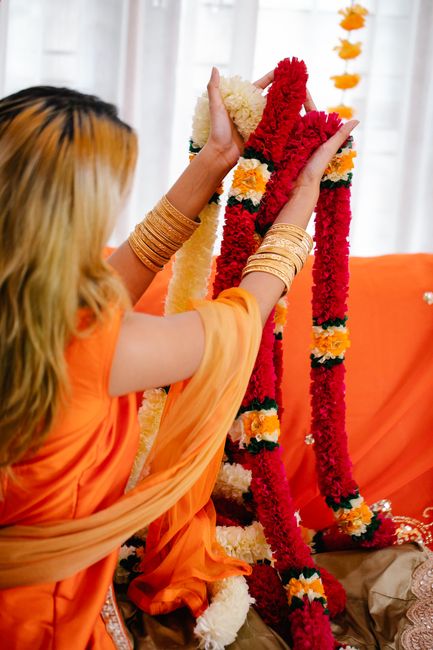
- Floral wire or a strong base string
- Floral tape
- Wire cutters or scissors
- Fresh, dried, or artificial flowers and greenery
- Optional decorative elements such as ribbon or beads
Start by planning the length and style. Measure the area where you’ll hang the garland and decide if you want a loose, flowing design or a tight, classic look.
What Are the Step-by-Step Instructions to Make a Floral Garland?
Follow this simplified guide to create your garland:
- Create the base: Use floral wire or a thick twine. Cut to your desired length plus extra for securing ends.
- Add greenery first: Attach stems along the base using floral tape or wire. Overlap pieces slightly for fullness.
- Attach flowers: Secure flowers evenly, mixing sizes and types for depth and visual interest.
- Fill gaps: Use smaller blooms, buds, or leaves to cover any empty spots.
- Optional decorations: Add ribbons or beads for extra color or sparkle.
- Final adjustments: Gently fluff flowers and leaves for a natural look.
Work slowly, step by step, and keep checking the garland’s shape and fullness as you go.
What Are the Most Common Mistakes When Making Floral Garlands?
Being aware of frequent pitfalls will help you avoid delays and disappointments.

- Using too heavy flowers for your base: This can make the garland droop or break.
- Not securing stems properly: Loose elements may fall off easily, ruining the look.
- Ignoring the garland’s weight distribution: An unbalanced garland looks awkward when hung.
- Preparing fresh flowers too early: They may wilt before the event.
- Skipping rehearsal placement: Not testing how the garland hangs can lead to surprises on the big day.
Expert advice from Amina Patel, Botanical Artist: “Don’t forget to hydrate fresh flowers right before assembly. This simple step extends freshness and keeps colors vibrant.”
How to Care for Your Floral Garland Before and During the Wedding?
Proper care can make a big difference, especially with fresh flower garlands. Here are key tips:
- Store garlands in a cool, shaded spot to slow down wilting.
- Mist lightly with water if flowers are fresh.
- Avoid direct sunlight and heat sources.
- Assemble fresh flowers as close to the event as possible.
- Handle with clean hands to protect delicate petals and leaves.
What Techniques Make Your Floral Garland Unique and Durable?
Let’s examine a few design and assembly techniques that raise your garland’s quality beyond ordinary results:
- Layering Method: Building the garland from the base upward helps maintain stability and creates volume.
- Wire Wrapping: Wrapping flowers and greenery stems securely but gently ensures components stay put without damaging them.
- Mixing Textures: Combining leafy greens, delicate blooms, and filler plants creates visual interest through contrasting shapes and sizes.
- Securing Ends: Tying loops or adding ribbon at both ends makes hanging easier and prevents unraveling.
- Flexible Base Materials: Using floral wire versus twine affects flexibility. Wire allows more shaping; twine results in a natural curve.
What Materials Should You Choose for Your Floral Garland? A Quick Guide
| Material | Durability | Look | Ease of Work | Cost |
|---|---|---|---|---|
| Fresh Flowers | Low (lasts few hours) | Very natural and vibrant | Moderate (require care) | Medium to high |
| Silk Flowers | High | Realistic, varies by quality | Easy | Medium |
| Dried Flowers | Medium to high | Rustic, muted colors | Easy | Low to medium |
Common Errors in Caring for Your Wedding Floral Garland
Here are three frequent mistakes couples make, why they happen, and their impact:
- Leaving fresh flower garlands in direct sunlight: Many think sunlight enhances appearance by brightening colors. In reality, harsh sunlight quickly dehydrates petals, causing drooping and dullness. This can reduce the lifespan of your garland from several hours to just one or two.
- Handling garlands roughly during setup: People often rush or don’t realize how delicate flowers are. While trying to hang fast, stems break or flowers fall off. The result is an uneven or sparse garland that takes time and resources to fix on the wedding day.
- Preparing fresh flower garlands too early: Some believe making decorations days ahead saves time. However, arranging fresh flowers prematurely leads to quick wilting, losing their natural shape and color on the big day. You risk disappointment seeing your beautiful garland looking tired and lifeless.
Final Thoughts
Making your own floral garland is rewarding and surprisingly simple with the right approach. Focus on choosing suitable materials, following clear steps, and avoiding common mistakes. This hands-on project will help you add a special, elegant flair to your wedding while enjoying the proud satisfaction of creating something beautiful with your own hands.