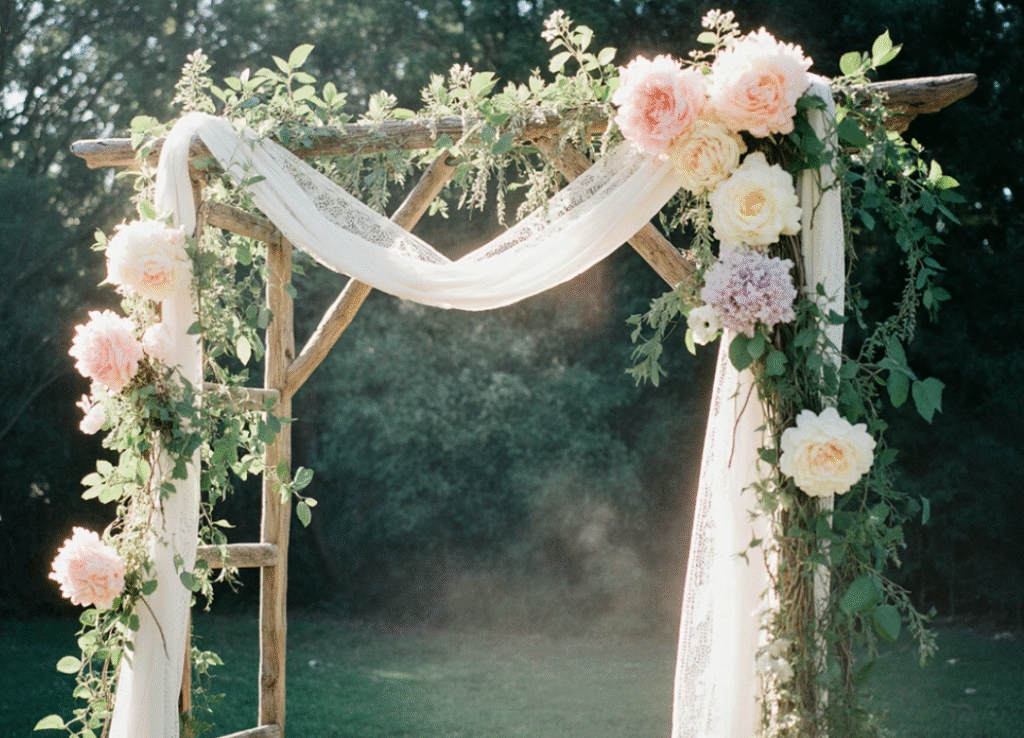
Choosing the right materials is key to creating beautiful and unique wedding decorations at home. The best materials are affordable, easy to work with, and versatile enough to fit various wedding themes. In this guide, we’ll explore top options to help you feel confident and inspired.
Why Should You Consider DIY Wedding Decorations?
DIY wedding decorations allow you to add a personal touch and save money without sacrificing style. You control the design, materials, and details — making your special day truly unique. Plus, the process itself can be fun and fulfilling, especially if you enjoy hands-on projects.
What Materials Are Essential for DIY Wedding Decorations?
Some materials work better than others when making wedding decor. Here’s a breakdown of the most popular and effective ones:
Material
Advantages
Disadvantages
Best Uses
Paper (including Cardstock and Crepe Paper)
– Affordable and widely available – Easy to cut, fold, and shape – Great for flowers, garlands, and banners
– Can be fragile and tear easily – Sensitive to moisture
Flower bouquets, escort cards, banners, pom-poms
Fabrics (Linen, Burlap, Tulle)
– Adds texture and elegance – Reusable and versatile – Easy to drape and sew
– May fray if not finished properly – Some fabrics can be expensive
– Lightweight and easy to shape – Good base for floral arrangements – Affordable
– Not biodegradable – Can be messy with small particles
Floral bases, cake stands, photo props
How Do You Choose the Right Material for Each Decoration?
Knowing which material works best depends on the style, durability, and methods you plan to use. Here are some tips:
Paper: Perfect for delicate, light decorations but keep it indoors to avoid moisture.
Fabric: Best for adding elegance and texture. Choose light fabrics for draping and heavier fabrics for tables.
Wood: Ideal for signs and rustic styles but remember you might need some tools.
Glass and Acrylic: For a polished look, but handle with care.
Natural Elements: Add life and fragrance but plan for freshness.
“Don’t underestimate the power of combining materials. For example, pairing wood signs with fresh flowers and ribbons instantly elevates your decor without complicating the process.”
Which Tools Do You Need to Work With These Materials?
Most DIY wedding decorations require simple tools, many of which you may already have at home. Here are essentials:
Scissors and craft knives for cutting paper and fabric
Hot glue gun for quick and strong adhesive
Paint and brushes for customizing wood and other surfaces
Floral wire and tape for arranging natural elements
Ruler and pencil for precise measurements
What Are the Most Common Mistakes When Choosing DIY Materials?
Making mistakes with materials can cost time, money, and stress. Here are five common errors to avoid:
Choosing materials that are too fragile for outdoor use. For example, paper decorations can disintegrate if it rains or if the wind is strong.
Not testing how materials hold glue or paint before starting. Some fabrics resist glue, which creates weak joints.
Overestimating your skills with complex materials. Woodwork or glass crafts require practice and sometimes special tools.
Ignoring color fading and discoloration. Certain papers and fabrics lose color quickly under sunlight.
Buying materials in wrong quantities. Either wasting money with excess or running short before finishing.
How Can You Combine Several Materials to Maximize Impact?
Mixing materials gives dimension and interest. For example, wooden signs decorated with trimmed ribbons and fresh flowers look inviting. Draping fabrics around floral centerpieces adds softness to rigid structures. Feel free to experiment and balance textures and colors.
“Start small with one or two materials to master their properties before combining multiple. This approach saves frustration and produces cleaner results.”
How Do Budget and Accessibility Influence Material Choice?
Wedding decor budgets vary. Here are tips to stay creative without overspending:
Use locally available materials like seasonal greenery to cut costs.
Repurpose household items (like jars or old fabrics) for decorations.
Buy materials in bulk or at discount stores.
Prioritize materials based on their visual impact versus cost.
What Are Some Little-Known Materials That Work Wonders?
Besides the usual choices, some materials are surprisingly useful:
Paper Clay: Air dries quickly, perfect for making custom shapes or lettering.
Washable Chalk Markers: Great for temporary messages on glass or mirrors.
LED Fairy Lights on Wire: Flexible for wrapping and shaping, adding sparkle.
“Don’t overlook the charm of simple everyday items. Twine or jute rope can add rustic character, while metallic pens brighten plain cardstock elegantly.”
Which DIY Wedding Decoration Ideas Can You Try with These Materials?
Based on the materials discussed, try these easy projects:
Paper flowers and garlands for colorful backdrops
Wooden welcome signs painted with your wedding colors
Fabric bunting or table runners for a cozy feel
Glass jars wrapped with lace or twine for candle holders
Natural centerpieces with fresh blooms and branches
What Are The 5 Most Common Errors in DIY Wedding Decorations?
Here are frequent errors, why they happen, and how they hurt your project:
Using too many complicated materials at once. Why? Excited to create a unique atmosphere. Cost? Overwhelm, longer projects, and uneven quality.
Ignoring the durability needed for outdoor use. Why? Assume all decorations will hold. Cost? Decorations may fail in wind or rain, forcing last-minute fixes.
Failing to calculate material quantities accurately. Why? Underestimating sizes or decoration needs. Cost? Running out or overspending on excess.
Not considering drying or curing times (paint, glue, clay). Why? Rushed schedule before the wedding. Cost? Decorations break or smudge, requiring rework.
Choosing colors or materials clashing with the wedding theme. Why? Limited awareness of overall design. Cost? Decor looks off, ruining visual harmony.
Materials Comparison for DIY Wedding Decorations
Material
Best For
Durability
Ease of Use
Cost
Paper
Flowers, banners
Low (indoor only)
Easy
Low
Fabric
Runners, drapes
Medium
Medium
Medium
Wood
Signs, props
High
Hard
Medium-High
Glass & Acrylic
Candle holders, signs
Medium
Medium
High
Natural Elements
Bouquets, centerpieces
Low (fresh)
Medium
Variable
String & Ribbon
Tying, wrapping
Low-Medium
Easy
Low
Foam
Floral arrangements
Medium
Easy
Low
Final Thoughts
Choosing the right materials for DIY wedding decorations is about balancing cost, ease, and style. Focus on materials you feel comfortable working with, and don’t hesitate to mix textures and colors. Remember, imperfections in handmade items add charm and tell your story.
Try new ideas, plan carefully, and most importantly, enjoy the process. Your unique decorations will make your wedding day even more memorable.
 Call us now: